Replacing Smoke Alarms: When and How to Upgrade Safely
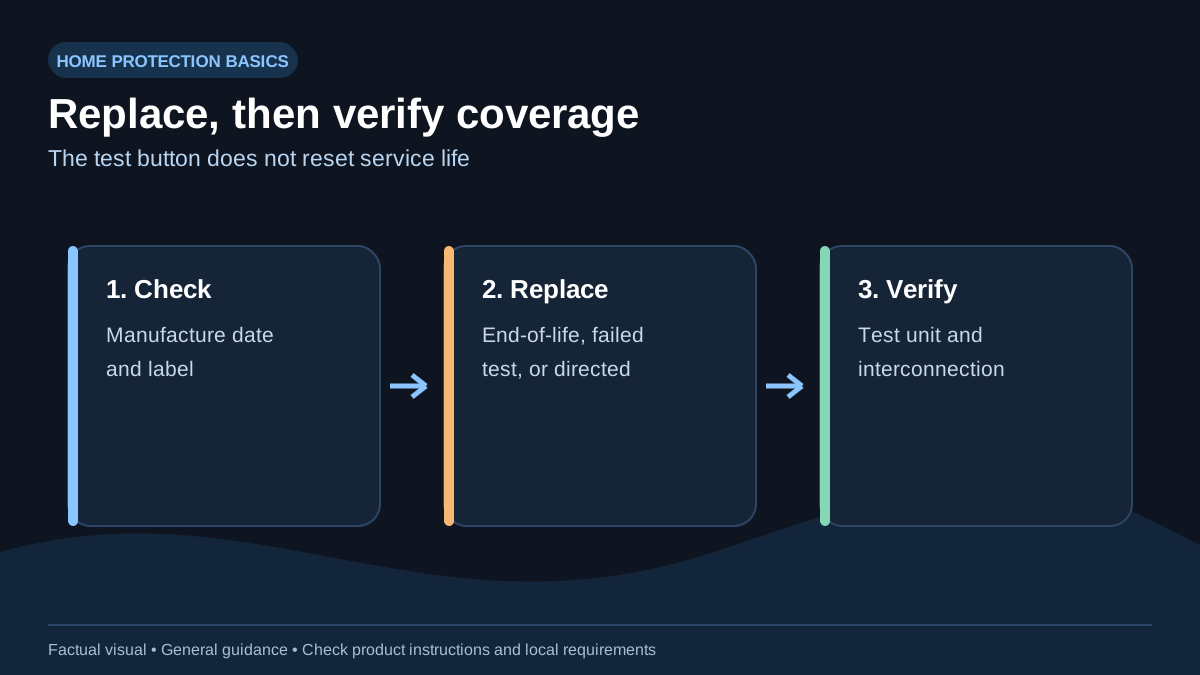
A test button confirms that the horn and power path can respond; it does not reset the sensing element’s service life. USFA’s general guidance is to replace the complete smoke alarm 10 years from its manufacture date. Follow the date and replacement instructions on the individual alarm if they are more specific.
Replace the whole unit when it is due or unreliable
- Check the manufacture date on the back or side of every alarm.
- Replace an alarm at the manufacturer’s end-of-life date, after 10 years as general USFA guidance, or sooner if it fails a test or the manufacturer directs replacement.
- Do not assume a new battery fixes an end-of-life chirp, a failed test, physical damage, paint contamination, or a persistent manufacturer fault signal.
Preserve the existing safety system
Before buying a replacement, note whether the old unit is hardwired, battery-only, interconnected, part of a monitored system, or paired with another device. A replacement must preserve required locations and any interconnection behavior. A model that physically fits an old mounting ring is not automatically compatible with the wiring, signal protocol, or local code.
Do not work on house wiring, defeat an interconnection, or substitute a noncompatible alarm. USFA advises qualified electricians for hardwired installation. For a renovation, rental, or required replacement, check with the landlord, local fire authority, or building department first.
After installation
- Read and follow the new alarm’s instructions before activating it.
- Test the replacement and, if applicable, test that interconnected alarms respond as intended.
- Confirm coverage remains inside bedrooms, outside sleeping areas, and on every level.
- Record the manufacture date and replacement date where the instructions allow.
Never leave a location unprotected while waiting for a replacement. If an alarm sounds for smoke or fire, evacuate and call 911 from outside; do not investigate a possible fire because a device is old or troublesome.
Sources and review notes
This page was reviewed against the primary public-safety sources below on September 19, 2026. They provide general safety guidance; the alarm label, local fire authority, building code, lease, and licensed professional remain controlling where they differ.