Photoelectric vs. Ionization Smoke Alarms
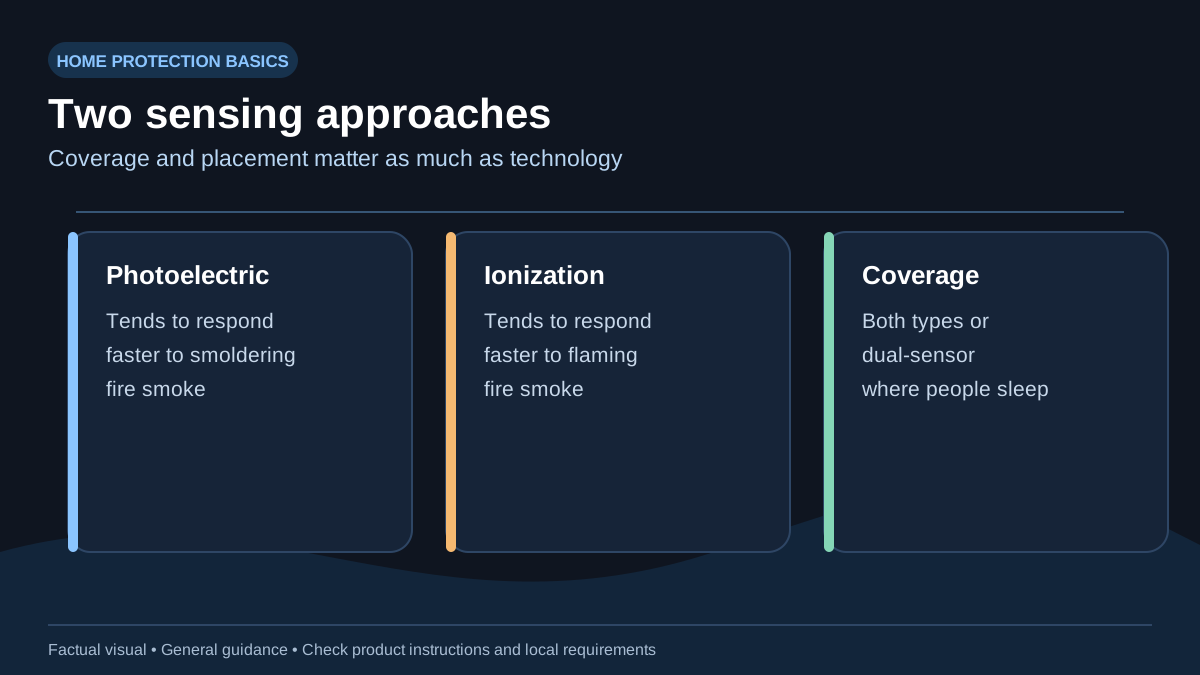
Photoelectric and ionization alarms sense smoke differently. Neither label means an alarm can be placed anywhere or ignored after installation. USFA says photoelectric alarms tend to respond faster to smoke from smoldering fires and ionization alarms tend to respond faster to smoke from flaming fires; both can detect either kind of fire.
What each sensing method does
- Photoelectric: uses light in a sensing chamber and tends to respond faster to smoldering-fire smoke.
- Ionization: uses a different sensing method and tends to respond faster to flaming-fire smoke.
- Dual-sensor: combines both sensing methods in one alarm.
That is a tendency, not a guarantee about the first alarm to sound in a particular fire. USFA specifically cautions that no one can predict what type of fire will begin and that alarm location can matter more than alarm type.
Choose coverage, then verify the product
USFA recommends both technologies in the home or a dual-sensor alarm where people sleep. Use a model listed by a recognized testing laboratory, follow its instructions, and check with the local fire marshal or building department for local requirements. Your city, county, state, insurer, landlord, or renovation permit may specify equipment that differs from general guidance.
Do not trade safety for fewer nuisance alarms
Cooking aerosol and steam can trigger alarms, but removing a battery or disabling the alarm creates a life-safety gap. Use the manufacturer’s hush feature if provided, ventilate the area, and correct the placement or model issue with qualified advice. Do not substitute a heat alarm for a required smoke alarm in a bedroom, hallway, or other required location.
Keep the basics current
Place alarms inside and outside sleeping areas and on every level, test with the test button at least monthly, and replace the entire unit according to its label; USFA’s general replacement benchmark is 10 years from the manufacture date. Interconnection is preferred where practical so a signal in one area is heard throughout the home.
Sources and review notes
This page was reviewed against the primary public-safety sources below on September 19, 2026. They provide general safety guidance; the alarm label, local fire authority, building code, lease, and licensed professional remain controlling where they differ.