Power Outage Prep Basics: Safety, Food, and Backup Power
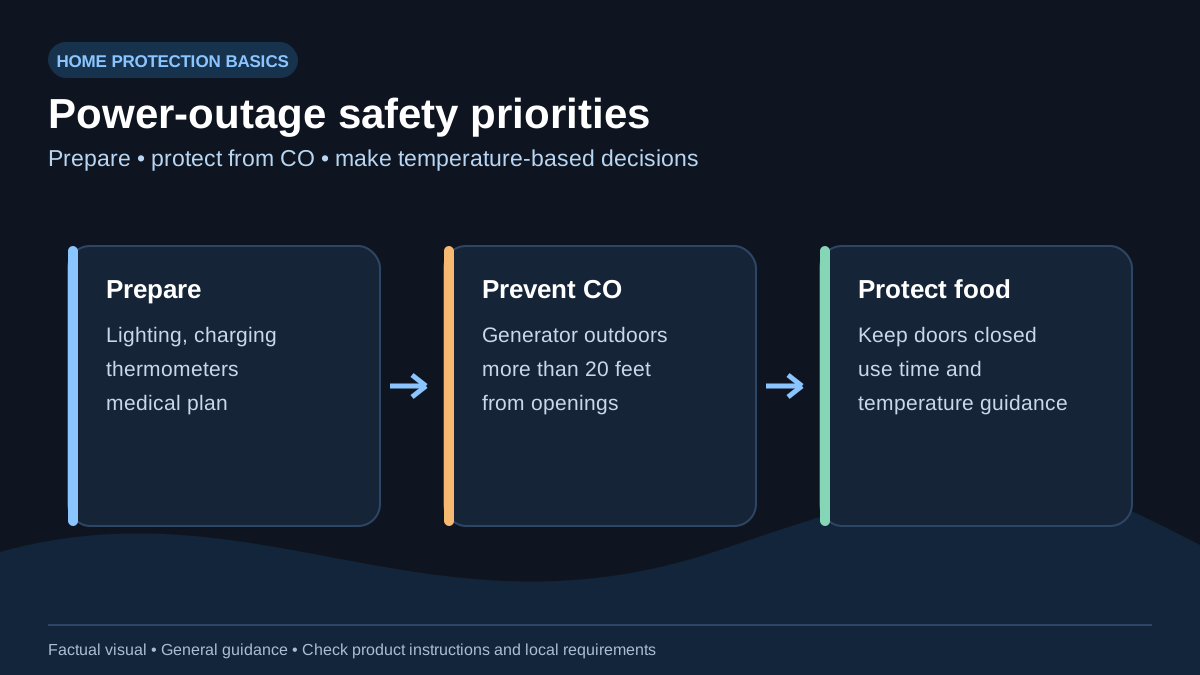
Prepare before the outage: keep lighting, charging, food-temperature, communications, medications, and backup plans in known locations. During an event, carbon monoxide, food safety, medical-device needs, and extreme heat or cold matter more than convenience.
Before an outage
- Keep flashlights, headlamps, battery lanterns, spare batteries, power banks, and a battery or hand-crank weather radio ready.
- Keep refrigerator and freezer thermometers available; they make food decisions more reliable.
- Make a plan for refrigerated medicines and electricity-dependent medical equipment with the clinician, supplier, and utility before an emergency.
- Keep battery-powered or battery-backup smoke and CO alarms tested.
Generator and combustion safety
Carbon monoxide is odorless and colorless and can kill. CDC says to operate a generator outdoors, more than 20 feet from windows, doors, and vents—never inside a home, basement, garage, carport, or other enclosed or partly enclosed space, even with doors or windows open. Use a battery-powered or battery-backup CO alarm in the home while a generator or other fuel-burning equipment is in use.
Never use a grill, camp stove, charcoal device, or gas oven/range to heat or cook inside. Do not connect a portable generator to home wiring or a panel unless a qualified electrician has provided the proper installed transfer equipment. Follow the generator manual for dry placement, fuel, cord, and load requirements.
Food and water decisions
Keep refrigerator and freezer doors closed. FoodSafety.gov says an unopened refrigerator keeps food cold for about four hours; a full freezer about 48 hours and a half-full freezer about 24 hours. Use an appliance thermometer and food-safety guidance rather than smell or taste. Perishable food held above 40°F (4°C) for two hours or more—or one hour if above 90°F (32°C)—should be discarded. Follow local officials if water safety is in question.
During and after the outage
- Use official alerts for shelter, heating/cooling, water, and road information.
- Seek a safe location if temperatures are dangerous or a medical need cannot be supported safely at home.
- When power returns, check appliance temperatures and discard unsafe food before restocking.
- Restock batteries, water, and other supplies after the event.
Sources and review notes
This page was reviewed against the primary public-safety sources below on September 19, 2026. They provide general safety guidance; the alarm label, local fire authority, building code, lease, and licensed professional remain controlling where they differ.